Can You Fit Acoustic Wall Panels Around a Fireplace? London Guide
Acoustic wall panels can work very well around a fireplace feature wall, but the answer depends on heat, clearances, wall construction and the type of fireplace. A decorative electric media-wall flame effect is a very different project from a working gas fire or a wood-burning stove set into a chimney breast.
For most London homes, the safest starting point is simple: use acoustic wall panels on the cool decorative areas of the wall, not where the product could be exposed to direct heat, flame, flue temperatures or manufacturer-prohibited clearances. If you are planning a fireplace wall in a flat, terrace or Victorian conversion, treat the panel design and the fireplace specification as one joined-up project before you order materials.
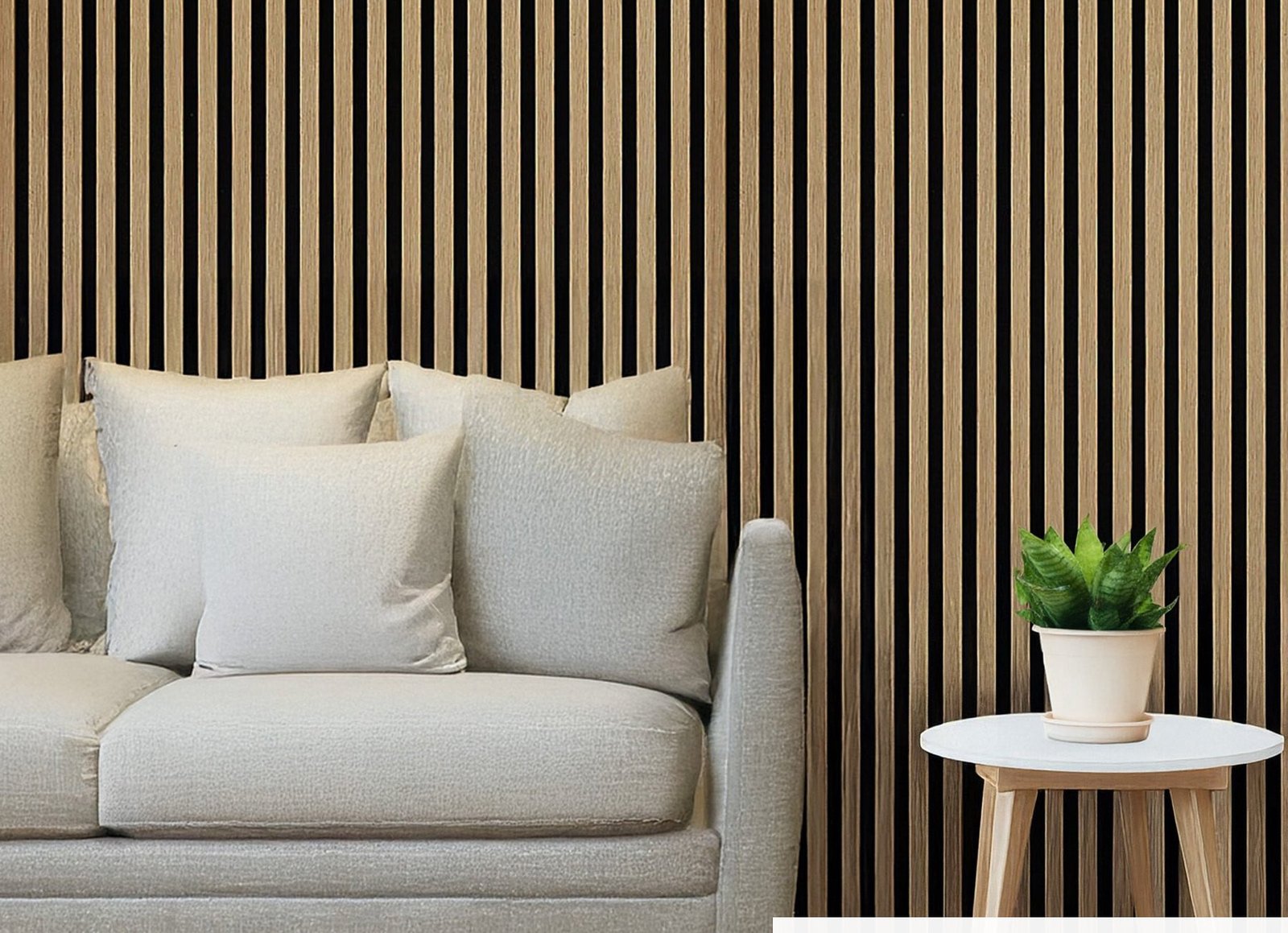
When acoustic wall panels usually work best
Panels are commonly used on the face of a chimney breast, the wall beside a fireplace, or a wider media-wall layout where the fire sits within a separate surround or recess. In these designs, the panels are mainly there to add texture, warmth and a more finished backdrop.
They are often a good fit when:
- the fireplace is electric and the panelled areas stay outside the appliance maker’s stated clearances;
- the heated opening is framed with a suitable non-panel material such as plaster, stone, tile, metal or another finish recommended for that zone;
- the chimney breast has enough width to keep the decorative panels away from the hottest area;
- the wall is being planned as part of a living-room or media-wall feature rather than as an afterthought.
When you should be more cautious
Felt-backed acoustic wall panels are decorative interior products. They should not be treated as a universal heat-safe lining for every fire installation. If the wall area becomes hot to the touch, if there is an open flame, or if the appliance instructions set out specific combustible-material clearances, those rules come first.
Take extra care with:
Wood-burning stoves and log burners
These installations can create much higher temperatures around the opening, flue and recess. Clearances vary by appliance and set-up, so do not guess. Ask the stove installer or fireplace specialist exactly where decorative wall finishes can and cannot go.
Gas fires
Some gas fires have strict requirements for surrounding materials and ventilation. The visible flame may be contained, but the appliance can still warm nearby surfaces significantly. Follow the appliance literature and the installer’s advice rather than copying a media-wall photo from social media.
Older chimney breasts in London homes
Period properties in areas such as Walthamstow, Leytonstone, Forest Gate and Bromley often have uneven chimney breasts, old plaster, redundant openings or previous alterations hidden behind the finish. Measure carefully and check the wall condition before assuming a panel can run neatly from floor to ceiling.
How to plan a fireplace panel wall properly
1. Start with the fireplace specification
Before choosing a panel colour, confirm the exact appliance model, installation method and required clearances. If you do not yet know the fire specification, do not finalise the panel layout.
2. Mark the no-panel zone
Draw the opening, recess, hearth, TV position and every required clearance on the wall. That gives you the real decorative area available for panels.
3. Decide whether to panel the full chimney breast or only part of it
A full-height panelled chimney breast can look strong and symmetrical, but a narrower panel section can also work well behind a television, beside shelving or above a low media unit. The best option depends on wall width and how much contrast you want.
4. Check cuts around sockets, brackets and shelves
Fireplace walls often include sockets, soundbars, concealed cables, TV brackets and alcove shelving. These details can change where panel joints should land. If the wall is awkward, use our panel cost calculator as a starting point, then double-check the layout before ordering.
5. Compare samples in the actual room
Fireplace walls are usually viewed in evening lighting, not only daylight. A finish that looks balanced on a phone screen can feel much darker once the fire, TV and lamps are on. Ordering samples first is the safest way to compare Walnut, White Oak, Grey, Dark Oak or Black Oak in the room itself.
Which panel colours usually suit fireplace walls?
There is no single best colour, but some combinations are more common. Walnut and Dark Oak often suit warmer, softer living rooms. Black Oak can create a stronger cinema-style media wall, especially beside dark screens and slim lighting details. White Oak and Grey can work better where the chimney breast is narrower and the room needs to stay brighter.
If you are still deciding, browse the main acoustic wall panel collection and compare the finish against your flooring, mantel, hearth and wall paint before choosing a full set.
Can panels improve the sound in a fireplace room?
They may help soften some sound reflections in a hard-surfaced room, especially where there is a television, plaster walls and limited soft furnishing. That said, a fireplace feature wall should still be planned honestly. Decorative acoustic panels are not a complete soundproofing system, and they should not be sold as a guaranteed fix for neighbour noise or structural sound transmission.
For that distinction, see our guide to acoustic panels vs soundproofing.
A practical London approach
Many London customers are working with chimney breasts, alcoves and compact living rooms rather than brand-new square walls. That makes planning more important than copying a generic Pinterest layout. Measure the decorative area, note the fire type, check every obstacle and keep the panel installation outside any prohibited heated zone.
If you want help checking quantities or comparing finishes for a fireplace wall, send your measurements and a clear front-facing photo through our contact page or WhatsApp. We can help you compare the wall space, samples and panel options before you place a full order.
FAQs
Can acoustic wall panels go directly next to a fireplace opening?
Only if the exact installation keeps the panels outside the appliance manufacturer’s required clearances and the surrounding area is suitable for that decorative material. Do not assume every fireplace wall is safe for direct adjacency.
Are electric fireplace media walls easier to panel?
They often are, because the decorative wall areas can stay cooler than they would around a stove or some gas-fire installations. Even so, you should still follow the appliance guidance and planned clearances.
Should I panel the whole chimney breast?
Not always. A centred section, alcove return or wider media-wall layout can look better, depending on the wall width, television position and shelving.
How do I work out how many panels I need?
Measure the true decorative area, not just the full wall. Then review our guides on how many acoustic wall panels you need and measuring awkward walls before ordering.
Ready to compare products? Shop acoustic wall panels