UK Renters: Quiet in a Day, Renter Friendly Acoustics and Deposit Safe

Start with rugs, heavy curtains and a few removable panels. They fix echo and make a room noticeably calmer within a day, using door seals, an underlay and one or two peel and stick tiles. Structural isolation, the kind that stops a loud neighbour, is a different job entirely and usually needs building work or your landlord’s agreement.
TL;DR:
- Treating internal echoes with rugs, curtains, and panels can significantly improve room acoustics without structural work.
- Sealing gaps around doors and windows is more effective for reducing airborne noise leaks than adding panels alone.
- Placement of acoustic treatments at reflection points and in corners enhances sound clarity and impacts low-frequency buildup.
- Most rental-friendly panels rely on removable adhesive or freestanding frames and should be tested before full installation.
- Structural soundproofing requires building modifications and cannot be fully achieved through affordable, removable solutions.
Table of Contents
- Identify common noise sources and weak spots to treat first
- Renter friendly treatment options: what to buy or repurpose and when to use each
- Damage free mounting and removal that protects your deposit
- Placement and prioritisation: where treatment earns its keep
- Materials and realistic expectations: what treatment will and won’t do
- Costs and timeline: what to expect for your budget
- What years of fitting panels in rented rooms actually teaches you
- How The Panel & Paper Company fits into a renter’s plan
- Sources
- FAQ
Identify common noise sources and weak spots to treat first
Most rental noise problems come from one of four places: street sound leaking through glass, a neighbour’s footsteps or voice through walls and floors, or your own room bouncing sound off hard surfaces and bare walls. The fourth, internal reflection, is the one you can fix yourself.
A few quick checks will tell you which you are dealing with:
- Clap once in the middle of the room. A sharp, ringing echo means poor absorption, not transmission.
- Stand where you usually sit and have someone slide a mirror along the side wall. Wherever you see the speaker or your desk reflected is a first reflection point worth treating.
- Listen at different times of day. Traffic and voices that fade at night point to airborne leaks around windows or doors, not the walls themselves.
- Note whether the noise is deep and rumbling or sharp and chatty. Bass usually means structural transmission; chatter and clatter usually means reflection.
Treat windows and the side walls nearest your listening spot first. If the noise seems to leak in through gaps rather than through solid brick, sealing the door and window frames often does more than any panel.
Renter friendly treatment options: what to buy or repurpose and when to use each
Once you know whether you are fighting echo or leakage, the shopping list gets short. Layering heavy curtains, rugs and furniture is a low cost baseline that works in almost any room.
- Heavy curtains across glass cut high frequency reflections and take the edge off traffic noise, especially with a thermal or blackout lining.
- Rugs with a thick underlay absorb footstep impact and stop sound bouncing off bare floors, which matters most in flats with laminate or wood.
- Packed bookshelves act as diffusers, breaking up flutter echo far more cheaply than any bought panel.
- Peel and stick felt tiles or lightweight framed panels target first reflection points on walls without any drilling.
- Freestanding panels or portable bass traps work in corners where nothing can be mounted, and they move with you.
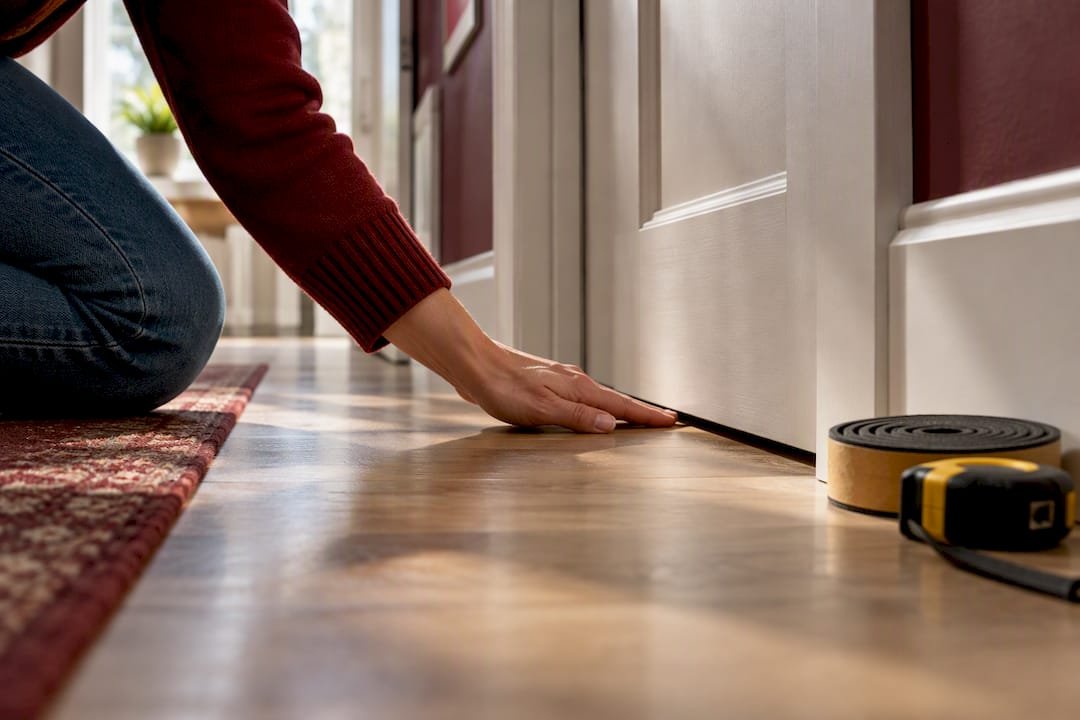
- Draft excluders, brush strips and sticky foam seal gaps around doors and windows, cutting airborne leaks rather than reflections.
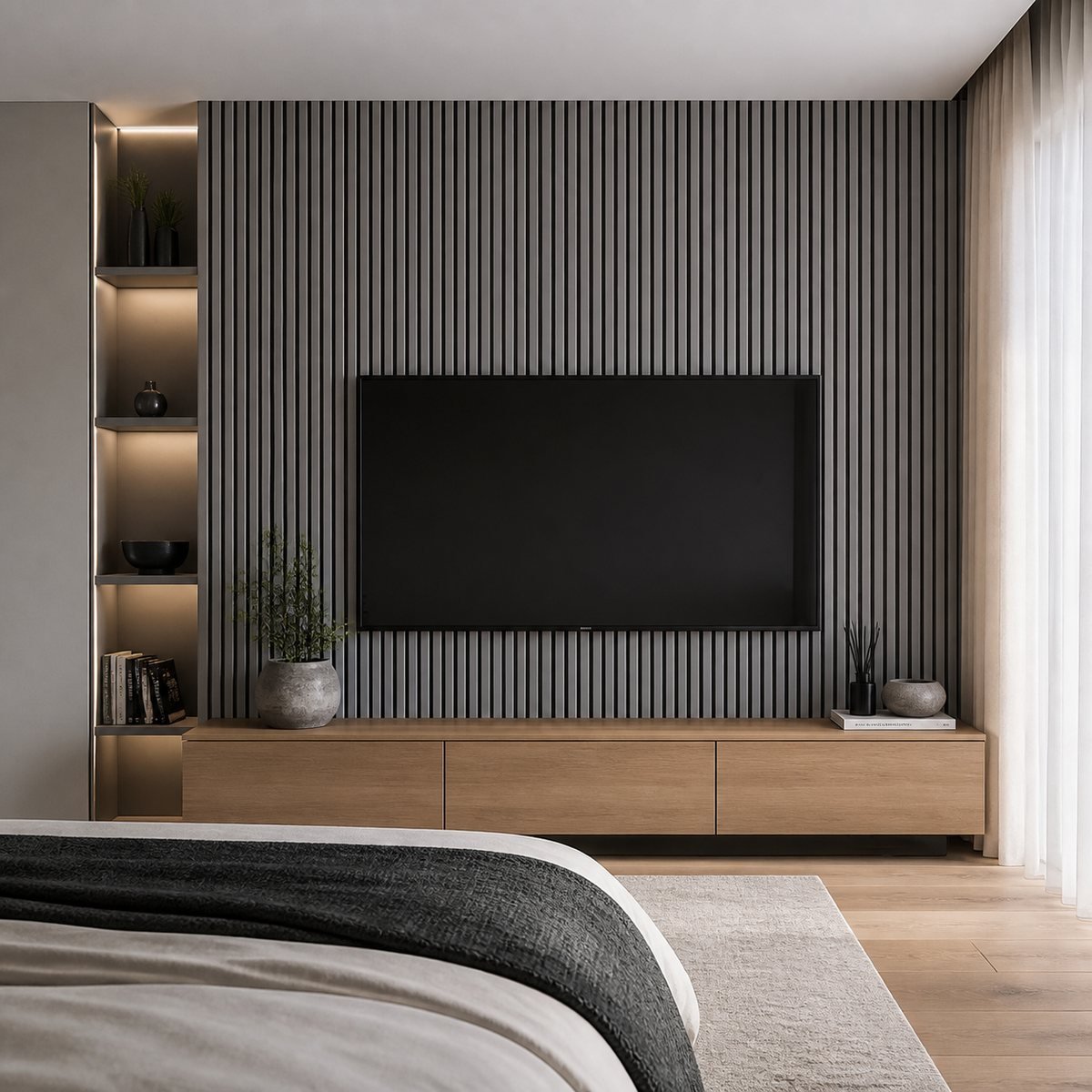
Decorative, low profile panels suit living rooms and bedrooms where looks matter as much as function. Thicker absorbers earn their keep in a home studio or anywhere you record voice, where clarity matters more than decor.
Pro Tip: Fix the door seal before buying anything else. A gap under a door lets in more noise than a dozen thin panels will absorb.
Damage free mounting and removal that protects your deposit
The mounting method matters as much as the panel itself. Removable adhesive strips work on most smooth, painted plaster and plasterboard, but you should test a hidden patch first since older paint or textured walls can behave differently.
- Match the strip’s weight rating to the panel: a light felt tile needs far less holding power than a framed absorber.
- Press each strip firmly for the time stated on the packaging rather than guessing.
- Use tension rods or a curtain track to hang heavy fabric without touching the wall at all.
- Stand freestanding frames or weighted bass trap bases against skirting boards or tuck them behind furniture so they cannot tip.
When it is time to move out, warm the adhesive gently with a hairdryer and peel each strip slowly at a low angle rather than pulling straight off. A small mark left behind usually responds to a dab of touch up paint.
Pro Tip: Keep the packaging and a spare strip. If you ever need to reposition a panel, you will want the same product, not a guess at a replacement.
Placement and prioritisation: where treatment earns its keep
Position matters more than quantity. Placement rules developed for small rooms and home studios apply just as well to a rented bedroom or living room.
- Use the mirror trick to find the first reflection points on the side walls and the wall behind your desk or sofa, and treat those before anything else.
- Add a panel at the ceiling midpoint above your main seating or desk position, since this is where sound reflects down into your ears most directly.
- Reserve corners for small freestanding bass traps. They help with low frequency build up but will not eliminate deep rumble on their own.
- Cover roughly 15 to 25% of the wall and ceiling surface before judging the result. Below that, flutter echo tends to linger.
Live with the first round of changes for a week before buying more. Most renters find the improvement plateaus once the main reflection points are covered.
Materials and realistic expectations: what treatment will and won’t do
Panel thickness decides which frequencies it can handle. Thin felt tiles mostly tame high and mid frequencies, panels in the 25 to 50 millimetre range reach further into the mid range, and true bass control needs traps deeper than 100 millimetres, which few rental setups can accommodate.
Around 15 to 25% wall and ceiling coverage is often enough to produce a measurable acoustic improvement in a typical room, though the exact figure depends on the room’s size and hard surfaces.
- Panels reduce echo and sharpen speech clarity, but they do not add mass to a wall, so they will not reliably block a loud neighbour.
- Sealed gaps around doors and windows genuinely help both echo and leakage.
- Rugs with underlay help with impact sound as well as reflection.
- Very thin foam tiles marketed for bass control rarely make a noticeable difference.
Isolating sound from next door requires added mass and airtight sealing, which is structural work, not a shopping list.
Costs and timeline: what to expect for your budget
Door seals take minutes to fit and cost under £15. A full small room layout, curtains included, usually takes one to three hours and often shows a difference the same day.
- Under £50: draft excluders, a rug underlay and a pair of peel and stick tiles.
- £50 to £250: heavy curtains, two or three medium panels, or one freestanding panel unit.
- £250 and above: a full feature wall of panels or several freestanding bass traps for a dedicated listening or recording space.
What years of fitting panels in rented rooms actually teaches you
The biggest mistake renters make is buying thin tiles to fix a bass problem they were never designed to solve, then tiling an entire wall when three well placed panels would have done more. Deploy a small layout, live with it for a week, and only add more once you know exactly where the gap is.
Keep receipts and a spare sample panel. If a landlord ever questions a mark on the wall, proof that you used a removable, tested product settles the conversation quickly. If the noise is structural, a building defect, or thumping through the floor that no amount of rug will fix, that is the point to raise it with your landlord rather than keep buying panels.
— Tayyy
How The Panel & Paper Company fits into a renter’s plan
Renters get the quickest results from panels built for exactly this job: light, removable, and finished well enough that you will not want to hide them behind a bookshelf. The White Acoustic Wall Panel, 240 x 60cm, works well as a first reflection point treatment on a light wall, while the Ultra Low Cost Light Grey and Ultra Low Cost Teak Oak panels suit anyone starting on a tighter budget or wanting a warmer wood finish.

- Panels may have warranty coverage, and questions about surface suitability can often be addressed through customer support channels.
- The full acoustic wall panels range covers several finishes, from oak tones to grey, for renters who want the panel to match existing furniture rather than stand out.
- Sample panels let you check colour and texture against your own wall before committing to a full set.
Order a sample or browse the ultra low cost acoustic panels category to see what fits your room and your budget.
Sources
Legal boundaries on soundproofing sit in Approved Document E and its FAQ guidance, alongside practical guides on apartment acoustic treatment.
- DIY acoustic panel installation: a step-by-step guide – NOVA Acoustics
FAQ
Are acoustic panels renter friendly?
Many panels are, provided they use removable adhesive strips, hooks or freestanding frames rather than screws. Peel and stick felt tiles and lightweight framed panels are the most common renter friendly formats, and testing a hidden patch of wall first avoids surprises when you move out.
How do you soundproof a room without damaging the walls?
You cannot fully soundproof a room without structural changes, but you can noticeably reduce echo using rugs, heavy curtains and removable panels mounted with adhesive strips or freestanding frames. These treat reflections rather than blocking sound through walls, which needs added mass and sealing.
What are the legal requirements for soundproofing in rented homes?
Approved Document E sets sound insulation standards for new building work, not for existing tenancies. Tenants are not legally required to upgrade insulation themselves, and the official FAQ guidance confirms this applies to developers, not renters.
How can I stop my neighbours hearing noise from my bedroom?
Rugs with underlay, heavy curtains and sealed door and window gaps reduce the sound leaving your room, and panels at first reflection points cut echo that makes voices carry further. Fully blocking sound transfer to a neighbour usually needs structural changes such as added wall mass, which falls outside what removable treatment can achieve.
Recommended
- Acoustic Wall Panels in Rented London Homes
- Do Acoustic Panels Soundproof a Room? UK Guide
- Wall Panels Small London Flats: Best Choices
Ready to compare products? Shop acoustic wall panels