Are Acoustic Wall Panels Suitable for Home Gyms? London Guide
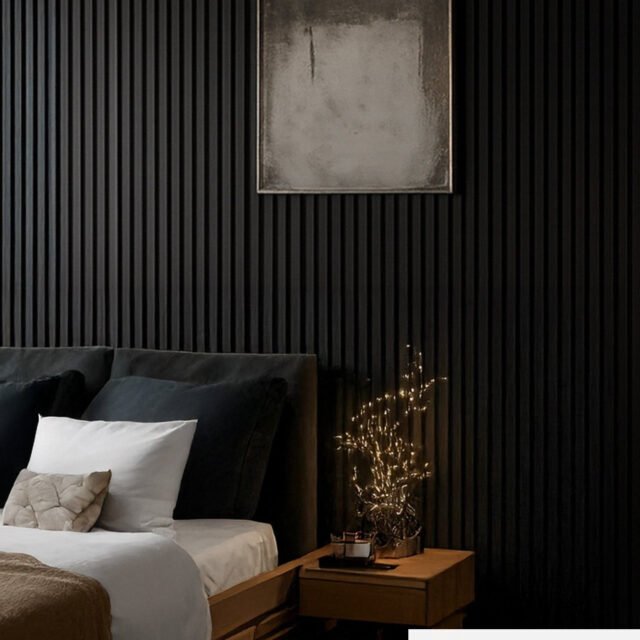
Yes, acoustic wall panels can suit a home gym when the goal is to create a smarter-looking training room with a warmer, less echoey feel, rather than to build a fully soundproofed studio. For many London buyers, the real decision is not whether slatted panels look good next to gym equipment. It is whether the chosen wall stays clear of repeated knocks, sweat, damp and heavy impact.
That distinction matters because most home gyms in London are not purpose-built commercial spaces. They are often spare bedrooms, loft corners, converted garages, garden rooms, or one end of a multifunction room that also works as storage, a study or a guest space. If you are still comparing finishes first, start with the acoustic wall panel collection, then work out whether your room needs a decorative feature wall, a cleaner backdrop for equipment, or a more robust surface altogether.
What acoustic wall panels can and cannot do in a home gym
Acoustic wall panels can help a home gym feel more finished than bare plasterboard and can visually soften a room full of metal frames, benches and rubber mats. In a smaller London room with hard flooring and not much soft furnishing, they can also help the space feel less stark and less harsh.
It is still important to keep expectations realistic. Decorative acoustic wall panels are not designed as impact boards for dropped dumbbells, barbell contact, wall-ball drills or repeated machine knocks. They are also not the same thing as full soundproofing for vibration, structure-borne noise or neighbour issues through floors and party walls. If the main problem is sound escaping the room, read Acoustic Wall Panels vs Soundproofing before treating panel installation as a technical fix.
Where they usually work best in a London home gym
A feature wall behind lighter-use equipment
Panels usually work best on a wall that gives the room structure without taking the hardest physical contact. In practice, that often means the wall behind a bike, rowing machine, treadmill, bench-storage zone or stretching area rather than the wall where plates, cable attachments or free weights regularly swing close to the surface.
A gym room that also needs to look good the rest of the day
Many London buyers want a room that can shift between exercise space and normal home life instead of feeling like a converted commercial unit. That is especially true in spare bedrooms, loft rooms and garden offices where the equipment is only part of the room’s use. In those cases, acoustic wall panels can help the space feel intentional rather than temporary. If your gym shares space with desk work or admin, it is worth comparing the planning logic with the site’s home office guide.
A wall with enough clean clearance
Home gyms quickly lose usable wall space once mirrors, sockets, radiators, shelving, TVs and equipment footprints are taken into account. A cleaner wall layout usually gives a better result and makes the panel count easier to estimate. Before ordering, measure the usable section and run a first check in the panel cost calculator.
What to check before buying for a home gym
How much impact the wall will actually take
If the wall sits behind mobility work, storage or cardio equipment, panels are usually easier to justify. If the wall is likely to take repeated contact from weights, resistance attachments, wall-mounted racks or fast equipment movement, a tougher finish may be more practical for that exact zone.
Whether the room stays reasonably dry and ventilated
Most indoor gyms are not wet rooms, but they can still build up heat, condensation and sweat depending on the ventilation and how intense the training gets. That does not automatically rule panels out, but it does mean the room needs sensible airflow and a realistic wall choice. If upkeep matters, review How to Clean and Maintain Wood Slat Acoustic Panels before ordering.
How the finish looks with flooring, mirrors and lighting
Gyms often use stronger directional lighting than bedrooms or lounges, which can change how wood tones and darker finishes look. Samples are worth ordering if you are choosing between light oak, walnut, black oak or grey tones, especially if the room already includes rubber flooring, large mirrors or black metal equipment. The guide to acoustic wall panel colours for London interiors can help narrow that down.
Common mistakes buyers make with gym-room panels
- Putting panels directly where heavy equipment, plates or attachments are most likely to hit them.
- Assuming a decorative panel wall will solve vibration and structural noise for neighbours downstairs or next door.
- Choosing a dark finish from a phone screen without testing it in the room’s actual lighting.
- Ignoring mirrors, sockets, TVs and radiator clearances until after the panel quantity is set.
- Covering every wall when one better-positioned feature wall would do the job more cleanly.
Are acoustic wall panels right for every home gym?
No. They are usually a better fit where the room needs a cleaner visual finish, a warmer backdrop and a more designed feel, and where the best wall is not the one that takes the roughest treatment. They are less suitable where the room is heavily equipment-led, where repeated impact is expected, or where the only available wall is already crowded with mirrors, brackets and obstacles.
That is why the strongest home-gym projects start with the room’s real use rather than the look of the slats alone. If the aim is to make a spare room, loft or garden room feel more polished while keeping the gym equipment integrated neatly, acoustic wall panels can be a sensible option. If the aim is a hard-wearing training wall for repeated impact or heavy contact, another surface is usually the safer choice.
How to plan the quantity and finish properly
Measure the usable wall area, note radiators, mirrors, plug sockets, shelving and any boxed-in corners, then decide whether you want full-width coverage or a controlled feature section behind the equipment. After that, compare live product sizes and use the calculator for a rough estimate. If the wall includes awkward interruptions, read Can Acoustic Wall Panels Be Cut to Size? and How to Measure Awkward Walls for Acoustic Panels before ordering.
If you are still unsure, send the wall width, height and a quick room photo through the contact page. That extra step is often worthwhile for London buyers working around mirrors, loft slopes, radiator positions or multifunction rooms where a small layout change can alter the panel count.
Frequently asked questions
Can acoustic wall panels go in a home gym?
Yes, they can, provided the chosen wall is not the one that will take repeated heavy impact. They are usually better suited to decorative or lower-contact walls than to high-hit training zones.
Do acoustic wall panels make a home gym soundproof?
No. They can help a room feel less harsh, but they are not a full soundproofing system for vibration, structural noise or neighbour noise.
Which wall is usually best for gym-room panels?
Usually the wall behind lighter-use equipment, storage or a stretching zone rather than the wall most likely to be hit by weights or attachments.
Should I order samples before buying for a gym room?
Usually yes. Samples make it easier to compare the finish against your flooring, equipment colours, mirrors and the room’s natural and artificial light.
Ready to compare products? Shop acoustic wall panels