Are Acoustic Wall Panels Suitable for Playrooms? London Guide
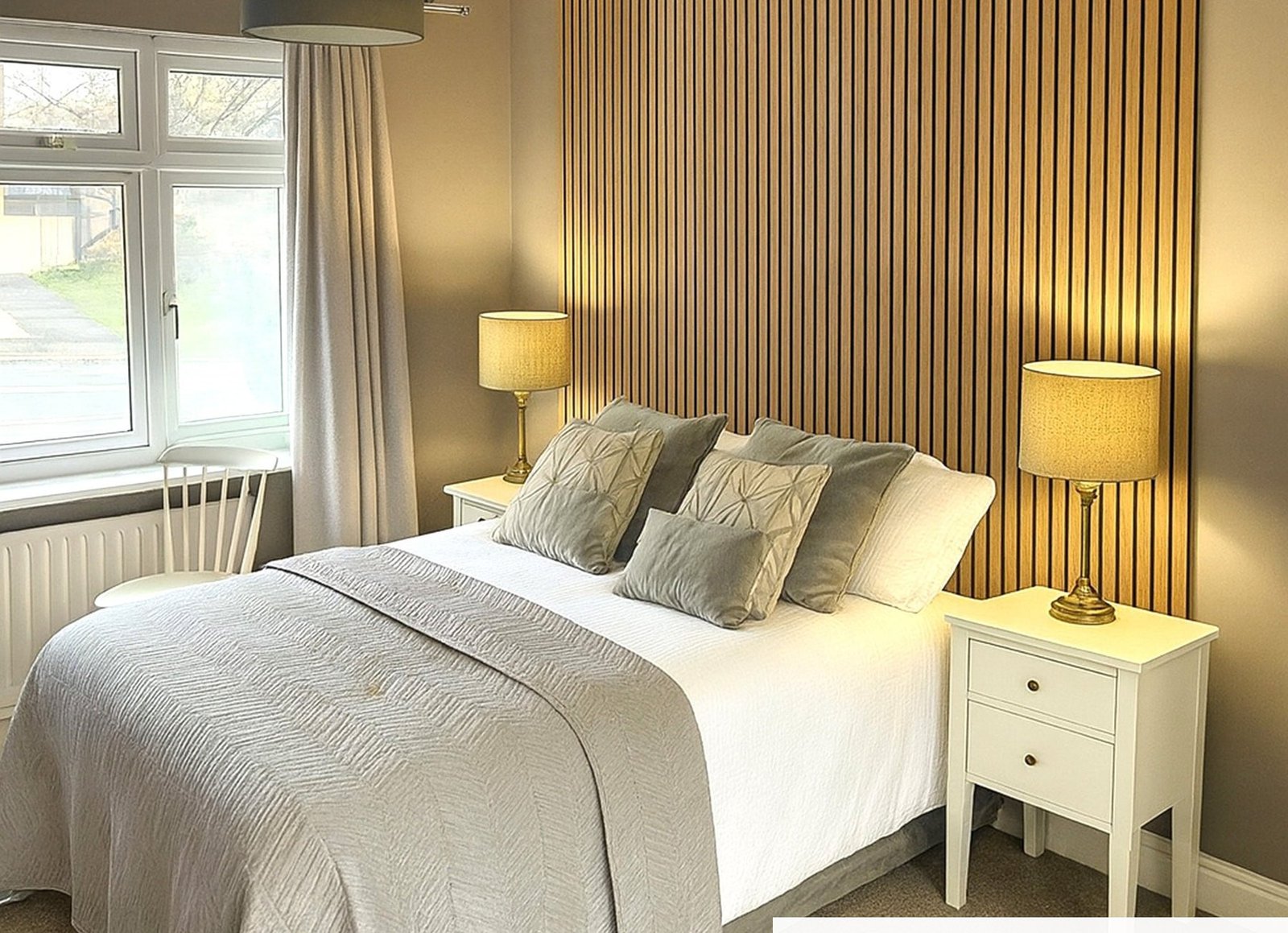
Yes, acoustic wall panels can suit a playroom when they are treated as a practical feature wall rather than a product that needs to survive every impact, spill and craft session without thought. For most London buyers, the real question is not whether slatted panels look good in a family room. It is whether the chosen wall, the day-to-day mess level and the age of the children make them a sensible fit.
That matters because London playrooms are rarely large empty rooms designed from scratch. They are often part of an open-plan kitchen-diner, a converted box room, a spare bedroom that also stores toys, or a section of a loft room shared with a desk or sofa bed. If you are comparing finishes first, start with the acoustic wall panel collection, then decide whether your wall will behave more like a calm backdrop or a hard-working activity zone.
What acoustic wall panels can and cannot do in a playroom
Acoustic wall panels can help a playroom feel warmer, more finished and less harsh than bare painted plasterboard. In rooms with laminate flooring, toy storage, blackout blinds and not much soft furnishing, the slatted surface can also make the space feel less stark. That visual effect is often one of the main reasons families choose them.
It is still important to keep expectations realistic. Decorative acoustic wall panels are not the same thing as heavy-duty impact protection, and they are not a full soundproofing system for stomping feet, loud toys or noise travelling through a party wall. If the main concern is sound transfer to another room or neighbour, read Acoustic Wall Panels vs Soundproofing before treating a playroom panel project as a technical fix.
Where they usually work best in a London playroom
A feature wall away from the roughest activity area
The safest approach is usually to use panels on a wall that frames the room rather than the wall that gets the hardest wear. In a London terrace or flat, that might be the wall behind a bench, reading corner or low storage unit rather than the wall where ride-on toys, messy play or ball games happen every day.
A room that doubles as a snug, study corner or guest space
Many families want the playroom to feel more grown-up than a nursery without becoming cold or too polished. Acoustic wall panels can help bridge that gap, especially in a room that is used for reading, films, homework or quiet play as well as toy storage. If your room may later become a study or bedroom, it can help to compare the planning logic with the site’s nursery guide and bedroom guide before you settle the wall position.
A wall with a simple layout
Playrooms often have less clean wall space than expected once book ledges, radiators, sockets, shelving, blackboards and storage units are added. A simpler wall usually gives a neater result and makes the quantity easier to estimate. Before ordering, take the usable width and height and run a first check in the panel cost calculator.
What to check before buying for a playroom
How the room is really used
If the room is mainly for colouring, reading and quieter play, acoustic panels are easier to justify. If it is effectively a high-contact games room with regular knocks, scooters, wall-mounted equipment or messy crafting against the main wall, another finish may be more practical for that exact area.
Whether the chosen wall stays reasonably dry and easy to clean
Playrooms are not usually damp spaces, but they can still collect handprints, dust and the odd mark from crayons or snacks. That does not rule panels out, but it does mean buyers should choose the wall and finish with maintenance in mind. If easy upkeep is a priority, review How to Clean and Maintain Wood Slat Acoustic Panels before ordering.
How the colour works in daytime and evening light
Playrooms can change character quickly from bright daytime activity space to evening family snug. A tone that feels fresh in morning light may look darker under lamps and LED strips. Samples are worth ordering when you are torn between light oak, walnut, grey or darker finishes, especially if the room already has bold toy colours, mural paint or patterned rugs. The guide to acoustic wall panel colours for London interiors is also useful here.
Common mistakes families make
- Putting panels on the wall most likely to get repeatedly kicked, climbed on or marked.
- Assuming decorative panels will stop noise travelling through the structure of the home.
- Ordering a dark finish from a phone screen without testing it against paint, flooring and storage units.
- Covering every wall when one calmer feature wall would suit the room better.
- Ignoring sockets, toy shelving and radiator clearances until after the panel count is ordered.
Are acoustic wall panels right for every playroom?
No. They are usually a better fit where the room needs warmth, a more finished backdrop and a slightly calmer feel, and where the best wall is not the one that takes the heaviest punishment. They are less suitable where the room is very rough-and-tumble, where wipe-clean practicality matters more than appearance, or where the only available wall is crowded with obstacles and constant contact.
That is why playroom projects work best when the family is clear about the room’s main job. If the aim is to create a flexible family room that still looks tidy when the toys are put away, acoustic wall panels can be a good option. If the aim is to create a fully washable craft and activity zone, another finish may be more sensible for the busiest wall surfaces.
How to plan the quantity and finish properly
Measure the usable wall area, note radiators, sockets, shelving and any boxed-in corners, then decide whether you want full-width coverage or a more controlled feature section. After that, compare the live product sizes and use the calculator for a rough estimate. If the wall includes awkward interruptions, read Can Acoustic Wall Panels Be Cut to Size? and How to Measure Awkward Walls for Acoustic Panels before you place the order.
If you are still unsure, send the wall width, height and a room photo through the contact page. That extra step is often worthwhile for London buyers working with alcoves, chimney breasts, sofa beds or combined play-and-storage rooms where a small layout change can affect the panel count.
Frequently asked questions
Can acoustic wall panels go in a children’s playroom?
Yes, they can, provided the wall choice is sensible and the room is being treated as a decorative family space rather than a high-impact sports area. The best result usually comes from using them on a calmer wall rather than the busiest one.
Do acoustic wall panels make a playroom soundproof?
No. They may help the room feel less harsh, but they are not a complete soundproofing system for structural noise or neighbour noise.
Which finish tends to suit a playroom best?
That depends on the room’s light, paint colours and how much contrast you want. Lighter and mid-tone wood finishes often feel easier to live with in family rooms, but samples are the safest way to compare them properly.
Should I order samples before buying playroom panels?
Usually yes. Samples make it easier to compare the panel tone against storage, flooring, wall paint and the mix of natural and evening light in the room.
Ready to compare products? Shop flexible wood wall panels Shop acoustic wall panels